You may have too much vitamin D if you experience stomach discomfort, unusual mental symptoms, or kidney problems. Excessive vitamin D also shows up in a blood test.
Alina Hvostikova/Stocksy
Vitamin D plays an important role in maintaining health. It’s necessary for the growth and development of your muscle cells, proper functioning of the innate and adaptive immune system, maintenance of the health of your skeletal system, and more (1
, 2
).
Because vitamin D deficiency is more common, many people use vitamin D supplements to maintain healthy vitamin D levels. But too much vitamin D can also lead to health problems.
What are the symptoms of vitamin D toxicity?
Signs of too much vitamin D include:
Elevated blood levels
In order for vitamin D to reach toxic or dangerous levels in the body, it needs to exceed 100 nanograms (ng) per milliliter (mL).
Hypervitaminosis D is defined as blood vitamin D levels over 100 ng/mL, while vitamin D intoxication is defined as serum levels over 150 ng/mL (3
, 4
).
Recommendations on optimal vitamin D levels vary, but research suggests that levels between 30–60 ng/mL are likely optimal and may help protect against illness and disease (4
, 5
).
Even when taking high dose vitamin D supplements, it’s unlikely that a healthy person’s blood vitamin D levels would come close to reaching excessive or toxic levels.
Most cases of vitamin D toxicity are caused by inappropriate supplement dosing and prescription errors.
For example, in a 2020 case report, a 73-year-old man developed vitamin D toxicity after taking 10,000 IU of vitamin D per day for many years (6
).
In another 2020 case report, a 56-year-old woman who took an average of 130,000 IU of vitamin D per day for 20 months in hopes of improving symptoms of multiple sclerosis was hospitalized for symptoms including nausea, vomiting, and muscle weakness.
Her vitamin D levels were discovered to be 265 ng/mL, which equals 130,000 IU and is over 30 times the generally recommended safe upper limit of 4,000 IU per day (7
).
Keep in mind that people who are low or deficient in vitamin D may need to take much higher levels than the safe upper limit to reach and maintain optimal vitamin D levels.
However, make sure to consult a healthcare professional on what dosage you should take. This will help you avoid potentially inappropriate or dangerous dosing.
SUMMARY
Vitamin D levels greater than 100 ng/mL may be harmful. Toxicity symptoms have been reported at extremely high blood levels in cases where people took megadoses (very high doses) of vitamin D supplements for extended periods of time.
Elevated blood calcium levels
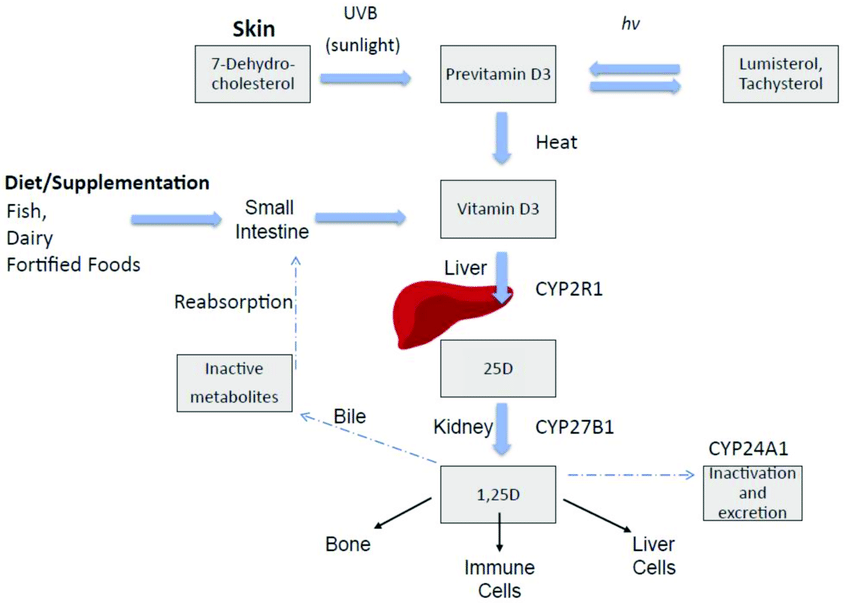
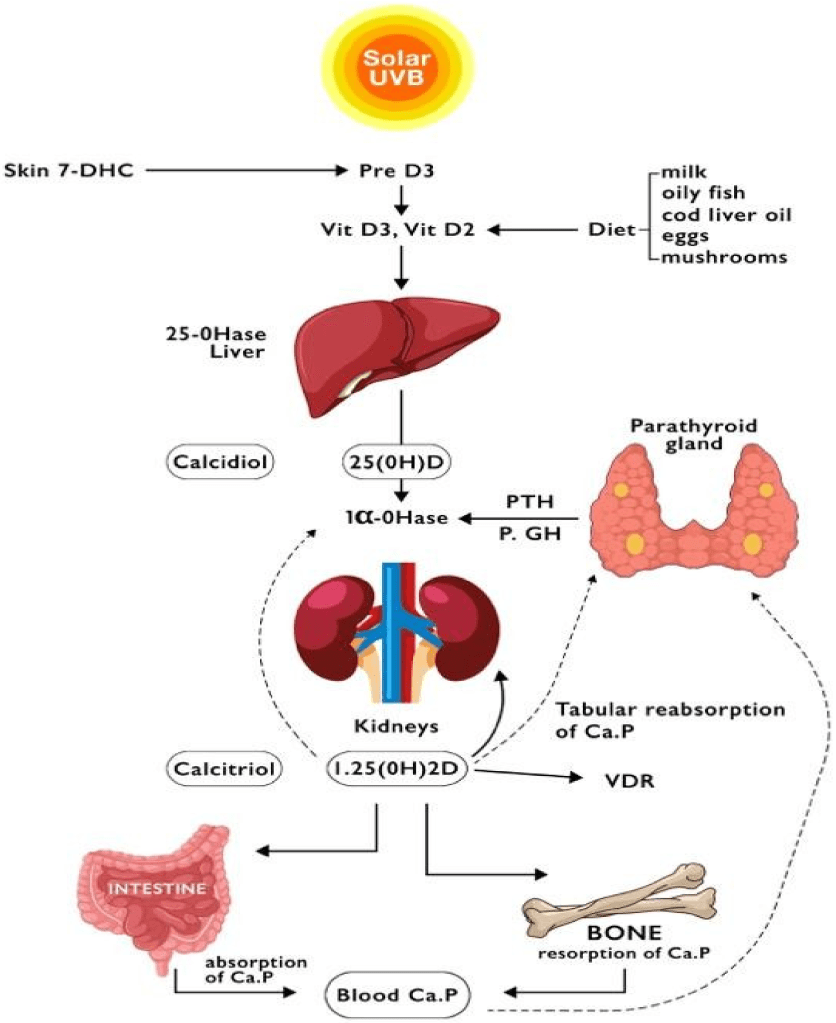
Vitamin D helps your body absorb calcium from the food you eat. In fact, this is one of its most important roles.
However, if your vitamin D intake is excessive, your blood calcium may reach levels that can cause unpleasant and potentially dangerous symptoms.
The symptoms of vitamin D toxicity are primarily related to hypercalcemia, which means excessively high blood calcium levels (8
).
Symptoms of hypercalcemia include:
• digestive distress, such as vomiting, nausea, constipation, and stomach pain
• fatigue, dizziness, hallucinations, and confusion
• loss of appetite
• excessive urination
• kidney stones, kidney injury, and even kidney failure
• high blood pressure and heart abnormalities
• dehydration
The normal range of blood calcium is 8.5–10.8 mg/dL (9
, 10
).
Hypercalcemia typically develops after people take megadoses of vitamin D for a prolonged period of time.
Research shows that adults taking more than 10,000 IU of vitamin D daily who exhibit symptoms should be evaluated for hypercalcemia (11
).
In the 2020 case report mentioned earlier, the woman who took an average of 130,000 IU of vitamin D per day for 20 months was also hospitalized for symptoms related to hypercalcemia (12
).
These included nausea, vomiting, muscle weakness, and kidney injury. Her blood calcium levels were 3.23 mmol/L (12.9 mg/dL) (12
).
Hypercalcemia can be life threatening and requires immediate medical attention.
SUMMARY
Taking too much vitamin D may result in excessive absorption of calcium, which can cause several potentially dangerous symptoms.
Gastrointestinal symptoms
The main side effects of excessive vitamin D levels are related to excessive calcium in the blood (13
).
Some of the main symptoms of hypercalcemia include:
• nausea
• vomiting
• constipation
• diarrhea
• poor appetite
However, not all people with hypercalcemia experience the exact same symptoms.
One woman experienced nausea and weight loss after taking a supplement that was later found to contain 78 times more vitamin D than stated on the label (14
).
Importantly, these symptoms occurred in response to extremely high doses of vitamin D3, which led to calcium levels greater than 12 mg/dL.
For example, an 18-month-old child who was given 50,000 IU of vitamin D3 for 3 months experienced diarrhea, stomach pain, and other symptoms. These symptoms resolved after the child stopped taking the supplements (15
).
SUMMARY
Taking vitamin D can increase levels of calcium in the blood, and too much calcium can cause side effects. If you take large doses of vitamin D, you may experience stomach pain, loss of appetite, constipation, or diarrhea as a result of elevated calcium levels.
Altered mental status
Hypercalcemia can lead to altered mental status in people with vitamin D toxicity.
People with vitamin D toxicity–induced hypercalcemia commonly have symptoms like confusion, depression, and psychosis. In extreme cases, coma has been reported (15
).
In a 2021 case report, a 64-year-old man accidentally took 200,000 IU of vitamin D per day because he misunderstood medication instructions. He showed altered mental status and other serious symptoms related to hypercalcemia.
He remained agitated and confused for the first 10 days of his stay in the hospital, but his symptoms gradually improved as his calcium levels dropped. It took about 18 days for his calcium to return to the expected levels (16
).
SUMMARY
Vitamin D toxicity can cause symptoms like confusion, agitation, and unresponsiveness. This also appears to result from elevated calcium levels, which high doses of vitamin D can cause.
Kidney complications
In some cases, vitamin D toxicity can result in kidney injury and even kidney failure.
This is because having too much vitamin D in the body can lead to high levels of calcium, which can lead to water loss through too much urination and calcification of the kidneys (17
).
Hypercalcemia can also cause the blood vessels of the kidneys to constrict, which leads to decreased kidney function (18
).
Indeed, many studies have reported moderate-to-severe kidney injury in people who develop vitamin D toxicity (12
, 19
, 20
).
Interestingly, a vitamin D deficiency can also harm the kidneys and lead to severe complications in those with kidney disease. That’s one reason why maintaining optimal blood levels of vitamin D is critical (21
, 22
).
SUMMARY
Too much vitamin D may lead to kidney injury and can even lead to kidney failure in some cases.
What causes vitamin D deficiency?
Vitamin D supplements are considered very safe, and toxicity is uncommon. This is because a healthy person would need to take extremely large doses of vitamin D over time in order to reach toxic or dangerous levels in the body (15
).
However, vitamin D toxicity is more common in people with certain medical conditions. These include (15
):
• granulomatous disorders
• congenital disorders
• some lymphomas
• dysregulated vitamin D metabolism
Although uncommon, vitamin D toxicity can occur, especially in cases of:
• accidental overdose
• prescription errors
• misuse of high dose vitamin D supplements
Vitamin D toxicity goes by a few other names, including hypervitaminosis D and vitamin D intoxication.
Vitamin D supplement safety
Healthcare professionals may recommend people who are very low in vitamin D take very high weekly doses of 50,000 IU for 8 weeks, followed by a maintenance dose of 2,000 IU per day after their levels reach 30 ng/mL (15
).
Your doctor will decide the most appropriate dose of vitamin D for you, depending on your vitamin D levels and your overall health.
Even though vitamin D toxicity isn’t common, you may be at risk if you misuse over-the-counter vitamin D supplements, prescription vitamin D supplements, or injections.
If you’re taking very high dose vitamin D supplements or are receiving vitamin D injections, your doctor will monitor your vitamin D levels to ensure they aren’t becoming potentially dangerous.
Avoid taking high dose vitamin D supplements unless your healthcare professional recommends them.
SUMMARY
Vitamin D deficiency is quite common. For this reason, many people need to take vitamin D supplements. However, it’s important to avoid taking high dose vitamin D supplements, except with the guidance of a healthcare professional.
Vitamin D is a nutrient your body needs for building and maintaining healthy bones. That’s because your body can only absorb calcium, the primary component of bone, when vitamin D is present. Vitamin D also regulates many other cellular functions in your body. Its anti-inflammatory, antioxidant and neuroprotective properties support immune health, muscle function and brain cell activity.
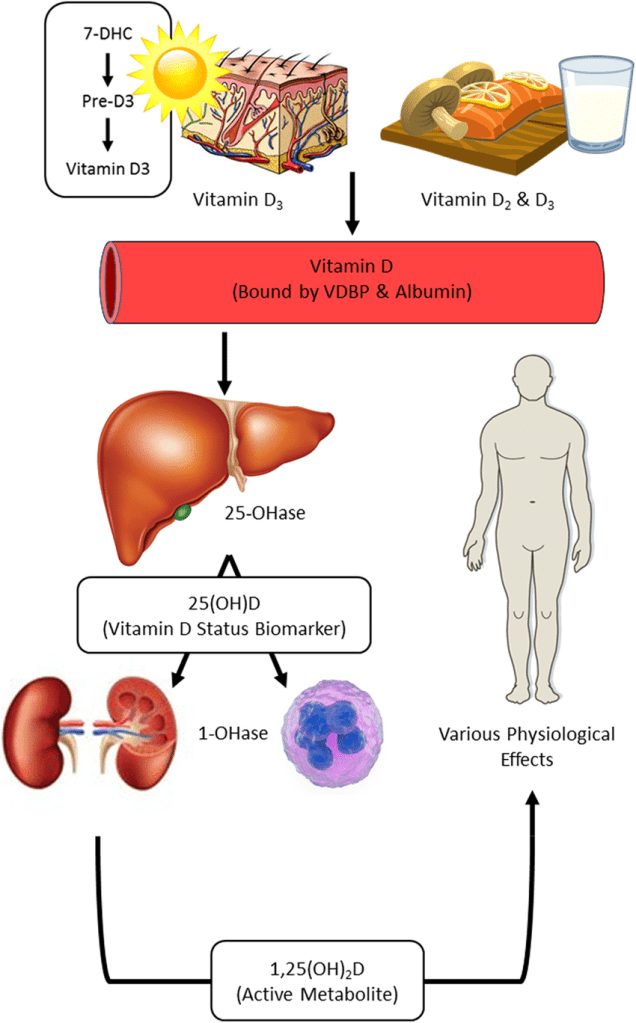
Vitamin D isn’t naturally found in many foods, but you can get it from fortified milk, fortified cereal, and fatty fish such as salmon, mackerel and sardines. Your body also makes vitamin D when direct sunlight converts a chemical in your skin into an active form of the vitamin (calciferol).
The amount of vitamin D your skin makes depends on many factors, including the time of day, season, latitude and your skin pigmentation. Depending on where you live and your lifestyle, vitamin D production might decrease or be completely absent during the winter months. Sunscreen, while important to prevent skin cancer, also can decrease vitamin D production.
Many older adults don’t get regular exposure to sunlight and have trouble absorbing vitamin D. If your doctor suspects you’re not getting enough vitamin D, a simple blood test can check the levels of this vitamin in your blood.
Taking a multivitamin with vitamin D may help improve bone health. The recommended daily amount of vitamin D is 400 international units (IU) for children up to age 12 months, 600 IU for people ages 1 to 70 years, and 800 IU for people over 70 years.
Evidence
Research on vitamin D use for specific conditions shows:
• Cancer. Findings on the benefits of vitamin D for cancer prevention are mixed. More studies are needed to determine whether vitamin D supplementation may reduce the risk of certain cancers.
• Cognitive health. Research shows that low levels of vitamin D in the blood are associated with cognitive decline. However, more studies are needed to determine the benefits of vitamin D supplementation for cognitive health.
• Inherited bone disorders. Vitamin D supplements can be used to help treat inherited disorders resulting from an inability to absorb or process vitamin D, such as familial hypophosphatemia.
• Multiple sclerosis. Research suggests that long-term vitamin D supplementation reduces the risk of multiple sclerosis.
• Osteomalacia. Vitamin D supplements are used to treat adults with severe vitamin D deficiency, resulting in loss of bone mineral content, bone pain, muscle weakness and soft bones (osteomalacia).
• Osteoporosis. Studies suggest that people who get enough vitamin D and calcium in their diets can slow bone mineral loss, help prevent osteoporosis and reduce bone fractures. Ask your doctor if you need a calcium and vitamin D supplement to prevent or treat osteoporosis.
• Psoriasis. Applying vitamin D or a topical preparation that contains a vitamin D compound called calcipotriene to the skin can treat plaque-type psoriasis in some people.
• Rickets. This rare condition develops in children with vitamin D deficiency. Supplementing with vitamin D can prevent and treat the problem.
Our take
Generally safe
Without vitamin D your bones can become soft, thin and brittle. Insufficient vitamin D is also connected to osteoporosis. If you don’t get enough vitamin D through sunlight or dietary sources, you might need vitamin D supplements.
Safety and side effects
Taken in appropriate doses, vitamin D is generally considered safe.
However, taking too much vitamin D in the form of supplements can be harmful. Children age 9 years and older, adults, and pregnant and breastfeeding women who take more than 4,000 IU a day of vitamin D might experience:
• Nausea and vomiting
• Poor appetite and weight loss
• Constipation
• Weakness
• Confusion and disorientation
• Heart rhythm problems
• Kidney stones and kidney damage
Interactions
Possible interactions include:
• Aluminum. Taking vitamin D and aluminum-containing phosphate binders, which may be used to treat high serum phosphate levels in people with chronic kidney disease, might cause harmful levels of aluminum in people with kidney failure in the long term.
• Anticonvulsants. The anticonvulsants phenobarbital and phenytoin (Dilantin, Phenytek) increase the breakdown of vitamin D and reduce calcium absorption.
• Atorvastatin (Lipitor). Taking vitamin D might affect the way your body processes this cholesterol drug.
• Calcipotriene (Dovonex, Sorilux). Don’t take vitamin D with this psoriasis drug. The combination might increase the risk of too much calcium in the blood (hypercalcemia).
• Cholestyramine (Prevalite). Taking vitamin D with this cholesterol-lowering drug can reduce your absorption of vitamin D.
• Cytochrome P-450 3A4 (CYP3A4) substrates. Use vitamin D cautiously if you’re taking drugs processed by these enzymes.
• Digoxin (Lanoxin). Avoid taking high doses of vitamin D with this heart medication. High doses of vitamin D can cause hypercalcemia, which increases the risk of fatal heart problems with digoxin.
• Diltiazem (Cardizem, Tiazac, others). Avoid taking high doses of vitamin D with this blood pressure drug. High doses of vitamin D can cause hypercalcemia, which might reduce the drug’s effectiveness.
• Orlistat (Xenical, Alli). Taking this weight-loss drug can reduce your absorption of vitamin D.
• Thiazide diuretics. Taking these blood pressure drugs with vitamin D increases your risk of hypercalcemia.
• Steroids. Taking steroid mediations such as prednisone can reduce calcium absorption and impair your body’s processing of vitamin D.
• Stimulant laxatives. Long-term use of high doses of stimulant laxatives can reduce vitamin D and calcium absorption.
• Verapamil (Verelan, Calan SR). Taking high doses of vitamin D with this blood pressure drug can cause hypercalcemia, and might also reduce the effectiveness of verapamil.
 Dr.Emily Health care center
댓글 남기기